
How to Activate a Solar Energy Storage LiFePO4 Battery: Step-by-Step DIY Safety Instructions
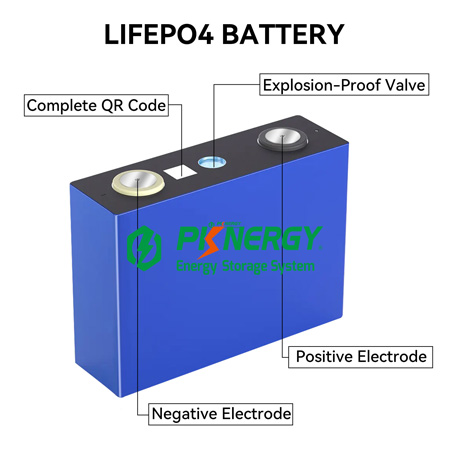
You installed a LiFePO4 battery to provide clean energy for your home or business, but now it is not charging. Before you spend money on a replacement, you should know – some deeply discharged batteries are safe to activate. This guide will tell you what to check, what to avoid, and when to contact the PKNERGY team for a reliable alternative.
Can your LiFePO4 battery be activated? Rapid safety judgments
| Battery Condition | Can You Revive It? | Recommended Action |
|---|---|---|
| Slightly discharged, no physical damage | Yes, likely | Use a LiFePO4-compatible charger and monitor voltage. |
| In BMS protection mode after deep discharge | Possibly | Follow the manufacturer’s wake-up procedure or use a low-current charger. |
| Stored unused for 3–12 months | Possibly | Slow charge at 0.05C after checking voltage. |
| Cells unbalanced but voltage is stable | Professional only | Contact a technician or your supplier. |
| Swollen, leaking, hot, or smells unusual | No | Stop immediately and arrange safe recycling. |
| Exposed to water, fire, or impact damage | No | Do not charge. Dispose of it properly. |
Do not attempt to activate if you see swelling, leakage or overheating. Damaged lithium batteries may release gas, catch fire, or burst. Your safety is more important than saving a battery.
Why your LiFePO4 battery won’t charge
Finding out why the battery failed can help you choose the right repair method and avoid making the same mistake again.
Deep Discharge Below Safety Threshold
Most LiFePO4 battery packs have a built-in battery management system (BMS) that cuts off the discharge when the single cell voltage drops to about 2.5V.If you overdischarge the battery, the BMS will block charging to protect the cell.This is the most common cause of “seemingly dead” LiFePO4 batteries.
Cell imbalance
In the battery pack, the voltage of each cell should be kept close.If one cell deviates too much from the others, the BMS may stop charging to protect the entire battery pack.Cell equalization often requires specialized equipment.
Extreme Temperature
LiFePO4 batteries charge poorly below 0°C.If your battery is in a cold garage or outdoor cabinet, warming it up to room temperature may solve the problem.
How to safely activate LiFePO4 batteries
The correct activation method depends on the cause of the failure.Here are the safest options for solar energy storage batteries.If you are unfamiliar with electrical operation, please contact a professional technician or battery supplier.
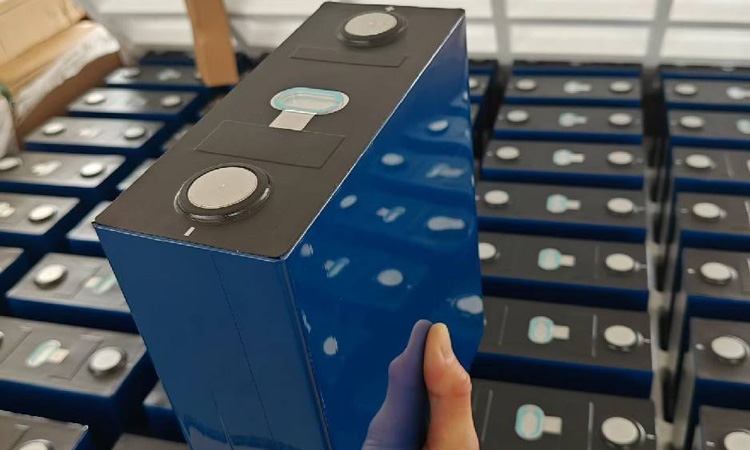
Method 1: Use a manufacturer-recommended charger
It’s the easiest and safest way to get started.Make sure your charger is designed specifically for the LiFePO4 chemical system and that the voltage matches the battery.48V batteries require a 48V LiFePO4 charger and cannot be used with lead-acid or universal lithium battery chargers.
To do this:
1.Disconnect the battery from the inverter, solar panel.
2.Measure the battery voltage with a multimeter.
3.Connect the LiFePO4 charger and set it to the lowest gear if the current can be adjusted.
4.The voltage change is continuously monitored for the first 30 minutes.
5.If the voltage rises steadily, charge it to full power.
Method 2: Slow Charge Wake Deep Discharge Battery
If the battery voltage is low but there is no appearance damage, slow charging can sometimes wake it up.This method is mild and has less stress on the cell.
To do this:
1.Use a charger that supports 0.05C-0.1C current.For a 100Ah battery, it is 5A–10A.
2.Connect the charger and watch the voltage rise back.
3.If the BMS responds to wake up and the voltage is stable above 12V (12V battery) or 48V 4.(48V battery), switch to normal charging mode.
5.Stop the battery immediately if it heats up, smokes, or smells bad.
Method 3: Reset BMS
Some battery packs have a reset button on the BMS.Some can be reset by disconnecting the load for a few minutes and reconnecting the charger.Always check the manufacturer’s manual before operation.
Important: Do not open the battery case unless you are professionally trained to do so.The BMS and cells are tightly aligned and improper operation may result in damage or personal injury.
Method 4: Heat the battery to room temperature
If your battery is in a cold environment, move it to 10°C-30°C.Allow to stand for several hours before attempting to recharge.This step will solve many winter charging failures.
Method 5: Cell Equalization (Professional Only)
Cell equalization requires a battery equalizer or smart BMS tool.This is not an action that most users can DIY.If you suspect an unbalanced cell, contact PKNERGY technical support or a certified installer.
How PKNERGY can help you avoid the battery activation puzzle
At PKNERGY, we understand the frustration when the battery doesn’t charge.Whether you’re a home user, a solar installer, or an industrial and commercial project manager, you need a storage solution you can trust.
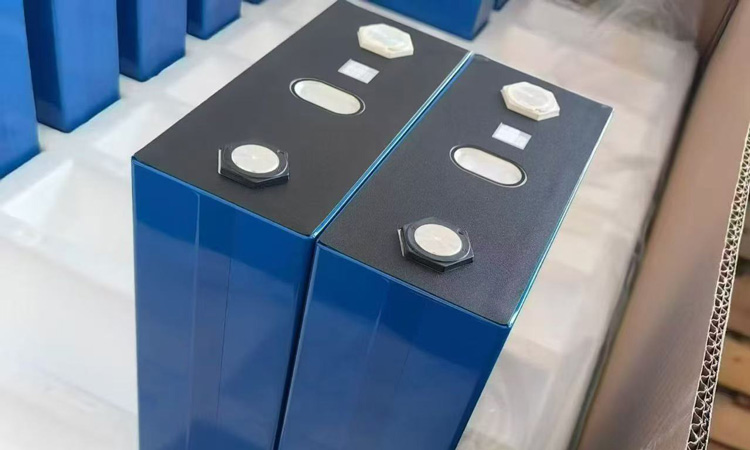
To whom this guide is addressed
Home users: You need a backup power source that you can use when the power grid is turned off.A dead battery means no lighting, no refrigerator, uneasy life.
Solar installer: Your reputation depends on the reliability of your system.You need batteries that arrive healthy, balanced, and convenient after-sales.
Distributor: Your customers expect long cycle life and low failure rates.You need a supplier who is responsible for the product.
Business users: Downtime is expensive.You need a scalable, stable energy storage solution.
Core pain points we address
Scrap after battery storage: PKNERGY batteries use high-quality cells and BMS firmware to reduce self-discharge rates and provide deep discharge protection.
BMS is locked repeatedly: Our BMS systems are protected from over-voltage, under-voltage, over-current, temperature and provide a clear recovery process.
No compatible replacements found: PKNERGY offers a full range of options from 5kWh home energy storage to 3MWh industrial and commercial energy storage.
Uncertain compatibility: We provide complete technical documentation and support to ensure that the battery matches the inverter, charging controller, and system design.
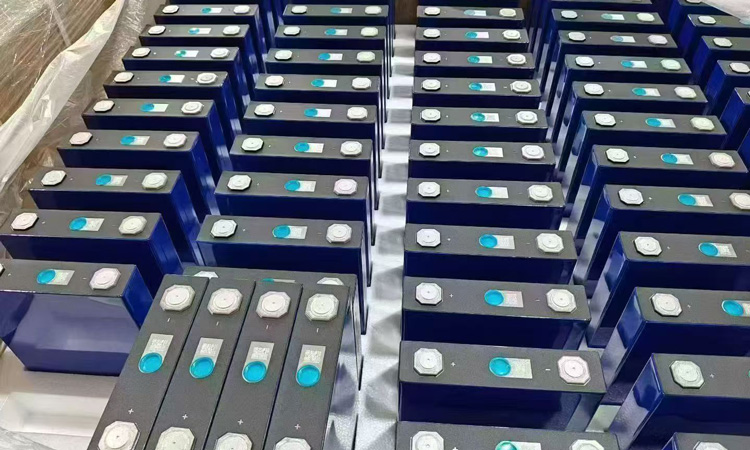
Frequently Asked Questions
01 Can end-of-life LiFePO4 batteries be repaired?
Sometimes.If the battery is not visually damaged, just the cell is overdischarged, a slow charge or BMS reset may wake it up.If the battery is swollen, leaking, or very old, replace it.
02 Why is my LiFePO4 battery solar not charging?
Check the charging controller settings first.It must be set to the LiFePO4 charging parameter.At the same time, check the battery voltage, temperature, and whether the BMS has entered the protection mode.
03 How long will the LiFePO4 battery be idle before it is scrapped?
A healthy LiFePO4 battery can stand idle for 6–12 months at about 50% charge in a cool environment.Long-term full discharge or dead storage will greatly increase the risk of deep discharge failure.
04 Can I charge the LiFePO4 battery with a lead-acid charger?
No. The lead-acid charger has a different voltage profile and may not fully charge, in some cases damaging the cell or the BMS.
05 Can I “power on” the LiFePO4 battery?
The risk of power-on startup is high and is not recommended for most users.If the BMS is locked, the manufacturer’s recommended wake-up process or contact a technician should be used.
06 How low is the voltage of a 48V LiFePO4 battery?
The 48V LiFePO4 battery consists of 16 cells in series.BMS typically cuts off the discharge at a total voltage of about 40V-42V.If the resting voltage is lower than 40V, the BMS may be locked and a slow charge or reset is required.
07 Should solar cells be fully charged or stored empty?
Long-term storage should be maintained at about 50% charge.Avoid full or dead storage for months at a time.
08 When should I replace the battery instead of trying to activate it again?
It should be replaced in case of expansion, leakage, fever, repeated failure or use for more than 10 years.It should also be replaced when the capacity drops below 70% of the original nominal value.
Conclusion
Now you know how to check, try to activate, and when it’s time to replace the battery.Remember, safety always comes first.If the battery is visually damaged or the slow charge is ineffective, replace it.Long-term, reliable solutions are needed to understand the PKNERGY home and commercial LiFePO4 energy storage system – designed for reliability from day one.
Ready to upgrade your energy storage plan? Contact PKENERGY today for a custom battery backup solution for your home or business.

