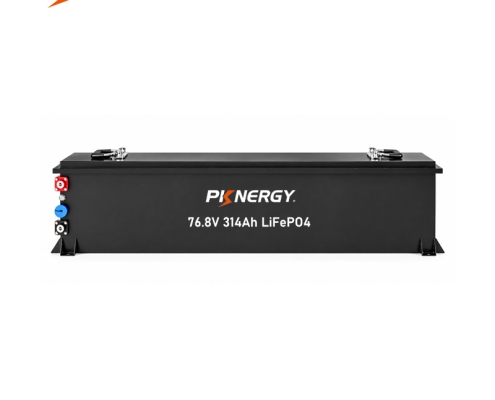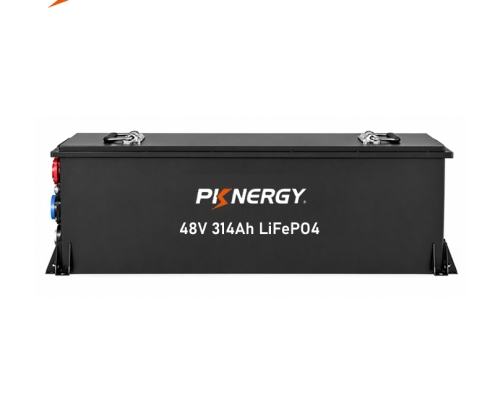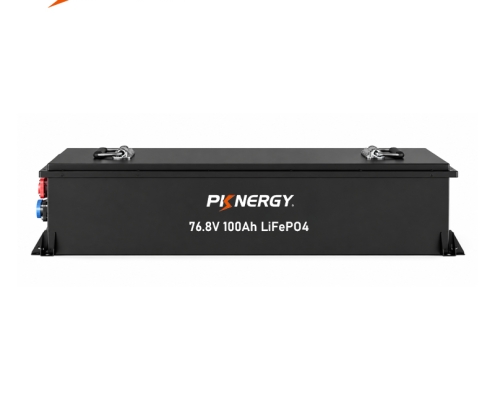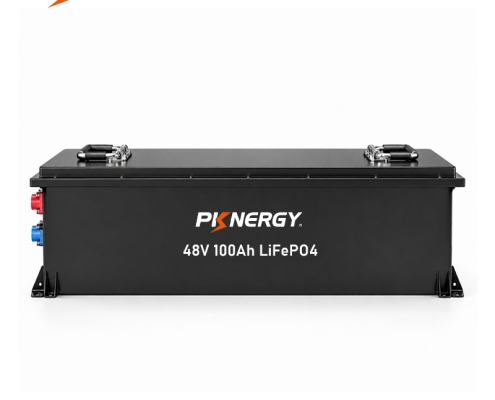
Why Reliable Battery Backup Matters
Industrial facilities, data centers, automation systems and critical infrastructure depend on a stable power supply to maintain continuous operation.
Even a short power interruption can affect production processes, interrupt equipment operation, cause data loss or lead to unexpected downtime.
UPS battery performance directly influences how long connected equipment can continue operating during a power failure. Battery voltage, capacity, discharge performance and charging compatibility must therefore be carefully evaluated.
A suitable battery configuration helps maintain critical loads while the main power supply is restored or an alternative power source becomes available.

Common Power Challenges & PKNERGY’s Solutions
Every UPS application has different electrical and installation requirements. We identify the key battery challenges and develop customized LiFePO₄ pack solutions based on actual equipment specifications.

Insufficient Backup Runtime
UPS systems may not provide enough backup time to support critical equipment during extended power interruptions. Battery capacity must be matched to the connected load and required backup duration.
Customized voltage and capacity configurations based on equipment power consumption and backup time requirements, helping customers select a suitable battery solution.
High Discharge Current Requirements
Industrial UPS applications may involve continuous power loads and temporary peak current demands. An unsuitable battery configuration can affect backup performance and operational reliability.
Suitable battery cell selection and series-parallel configuration according to continuous and peak discharge requirements, with appropriate BMS protection based on the application.
Limited Installation Space
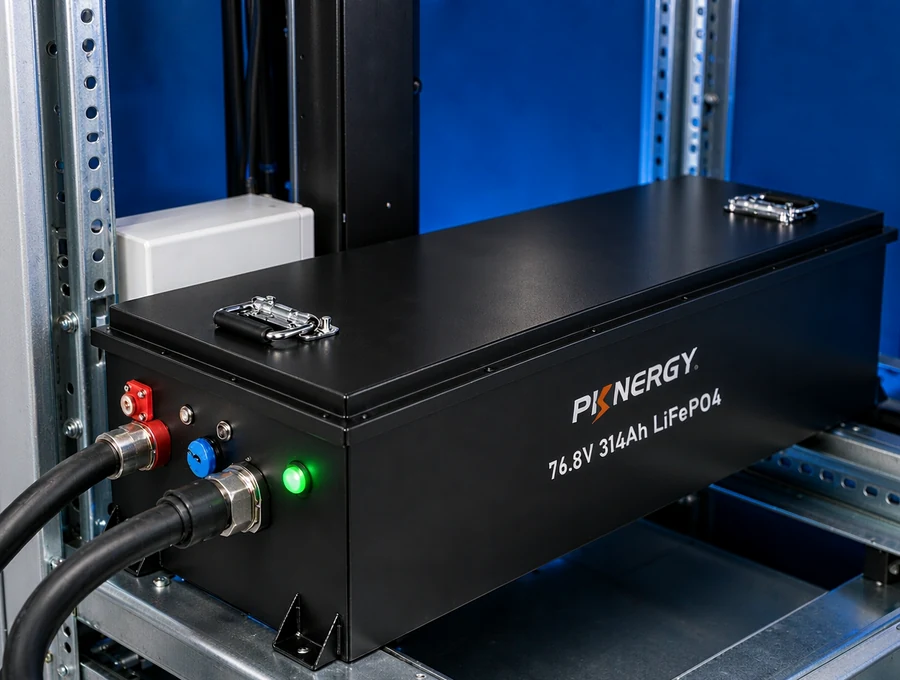
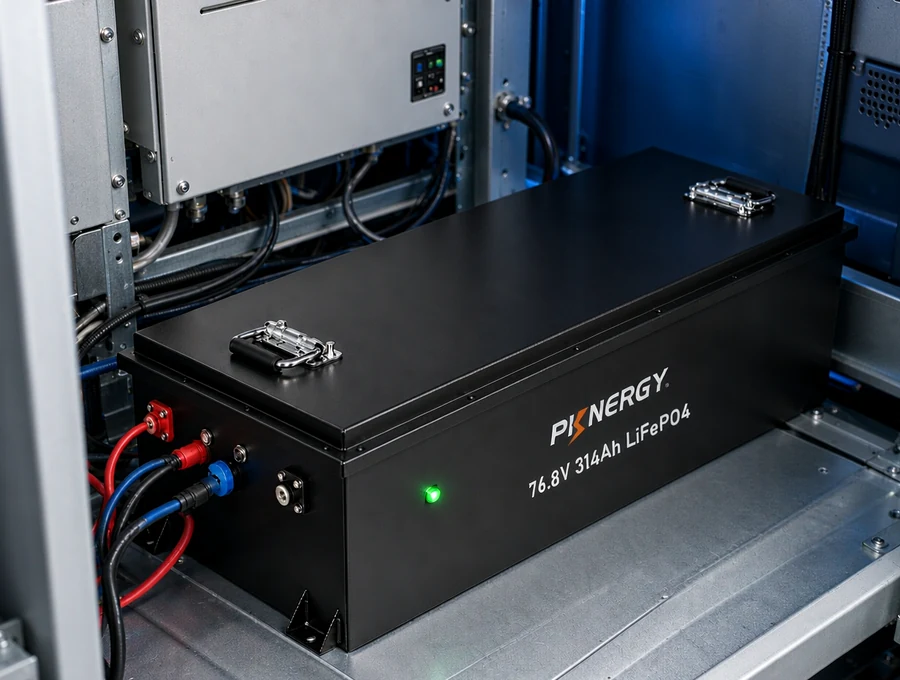
Existing UPS cabinets and battery compartments often have fixed dimensions. Standard battery products may not fit the available installation space or existing connection arrangements.
Customized battery dimensions, internal layouts, terminals and wiring arrangements to suit equipment installation requirements.
UPS Charging and Communication Compatibility
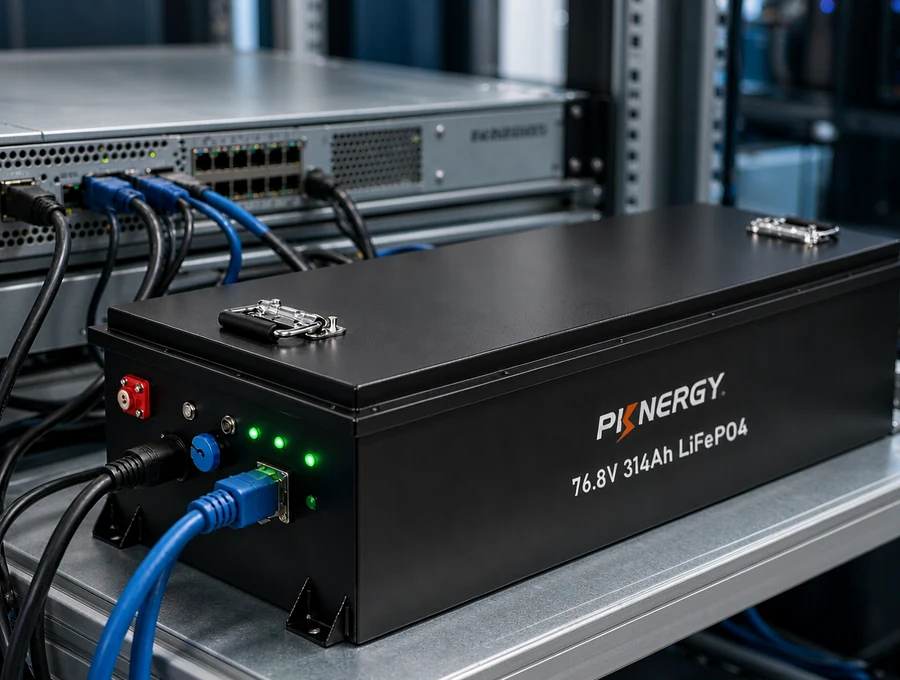
Different UPS models may use specific charging parameters, voltage ranges and communication protocols. Replacing lead-acid batteries with LiFePO₄ batteries requires careful compatibility evaluation.
Evaluation of UPS specifications, charging requirements and communication needs before battery pack design. BMS functions and communication interfaces can be configured according to confirmed project requirements.

Battery Maintenance and Replacement Costs
Frequent battery replacement and routine maintenance can increase operating costs, particularly in data centers and industrial facilities where backup power availability is essential.
LiFePO₄ battery chemistry offers good cycle life under suitable operating conditions. PKNERGY provides customized battery packs designed to support long-term backup applications and reduce routine battery maintenance requirements.
Why Choose Customized LiFePO₄ Battery Packs?
A customized battery pack is designed around the actual equipment requirements rather than relying on a standard configuration. LiFePO₄ technology offers several advantages for industrial backup applications.
Flexible Configuration
Customized voltage and capacity based on equipment power consumption and backup time.
Discharge Performance
Cell selection and pack configuration according to continuous and peak current requirements.
Long Cycle Life
LiFePO₄ chemistry supports long-term operation under suitable charging and discharging conditions.
Compact Design
Flexible battery structure and dimensions for different equipment installation spaces.
BMS Protection
Integrated protection and monitoring functions configured according to project needs.
Custom Integration
Customized terminals, wiring, enclosure and battery assembly for equipment integration.
One-Stop Customized LiFePO₄ Battery Pack Development
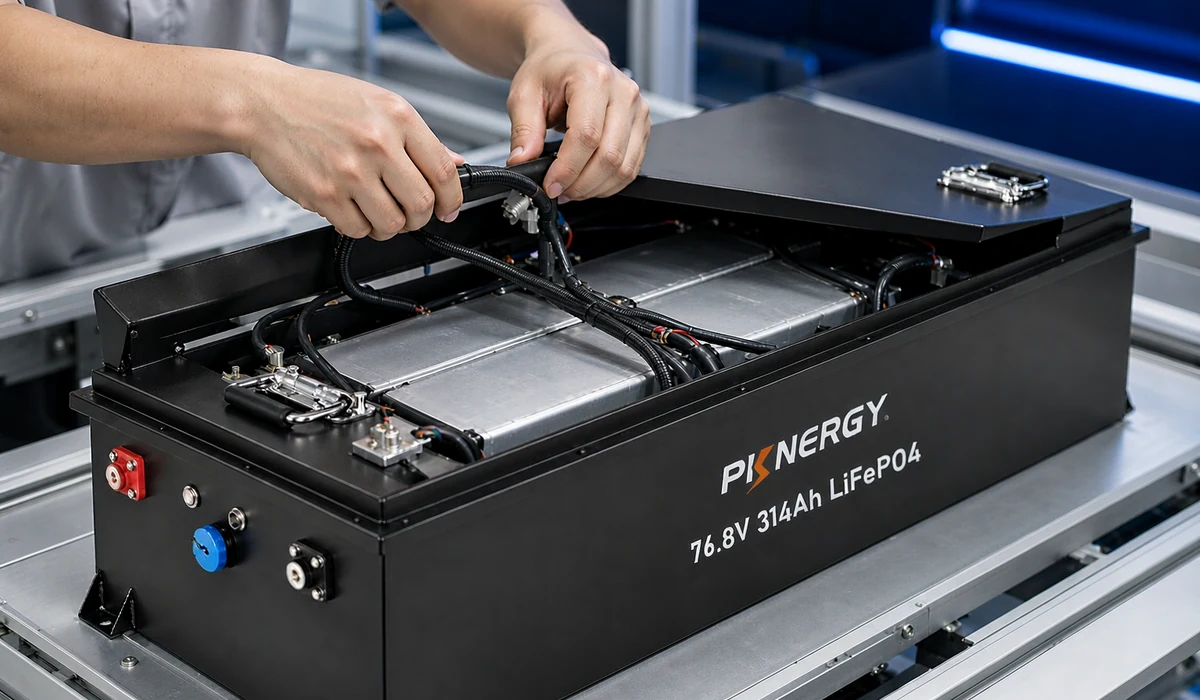
PKNERGY develops customized LiFePO₄ battery packs according to electrical, structural and operating requirements. From initial cell selection to BMS integration and customized assembly, each stage is considered around the target application.
Battery Cell Selection
Selecting suitable LiFePO₄ cells according to capacity, discharge performance and operating conditions.
Voltage & Capacity
Designing series and parallel configurations to meet nominal voltage and capacity requirements.
PACK Design
Developing battery structures and layouts according to installation dimensions and equipment requirements.
BMS Integration
Integrating battery protection, monitoring and communication functions according to project specifications.
Customized Assembly
Providing battery pack assembly, wiring, terminals and connection arrangements based on the application.
Industrial UPS & Backup Power Applications
Customized LiFePO₄ battery packs can be developed for a variety of industrial backup power applications, subject to equipment specifications and battery compatibility.
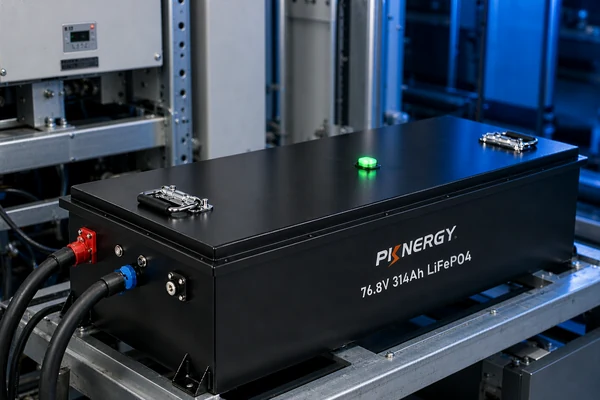
Industrial UPS Systems
Battery backup for industrial UPS equipment and power protection systems.

Data Centers
Battery power support for servers, network equipment and critical infrastructure.
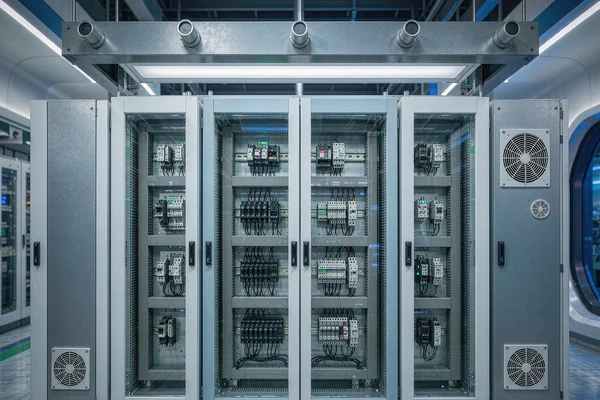
Industrial Control Systems
Backup battery packs for PLCs, control cabinets and automation equipment.
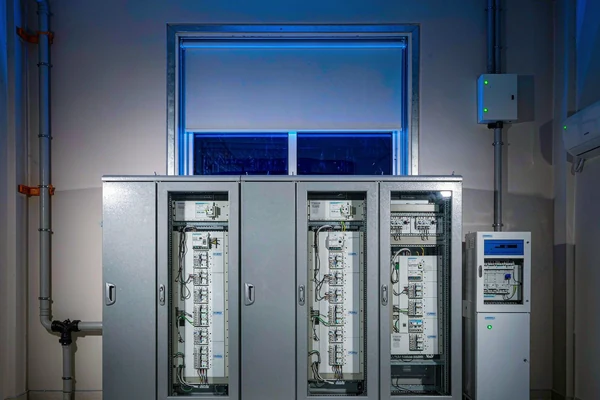
Emergency Power Equipment
Customized battery backup for essential electrical equipment.